23 Jul 2018

Introducing the new ‘promiscuous’ enzyme that helps turn plant waste into sustainable products

“To protect their sugar-containing cellulose, plants have evolved a fascinatingly complicated materials called lignin that only a small selection of fungi and bacteria can tackle. However, lignin represents a vast potential source of sustainable chemicals..”

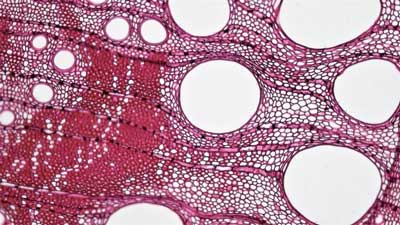
A new family of enzymes has been discovered which paves the way to convert plant waste into sustainable and high-value products such as nylon, plastics, chemicals, and fuels. The discovery was led by members of the same UK-US enzyme engineering team which, in April, improved a plastic-digesting enzyme, a potential breakthrough for the recycling of plastic waste.

The new family of enzymes are active on the building blocks of lignin – one of the main components of plants, which scientists have been trying for decades to find a way of breaking down efficiently.

Professor McGeehan, Director of the Institute of Biological and Biomedical Sciences in the School of Biological Sciences at Portsmouth, said: “We have assembled an international team for the discovery and engineering of naturally occurring enzymes. Enzymes are biological catalysts that can perform incredible reactions, breaking down some of our toughest natural and man-made polymers.

The study published Nature Communications was led by Professor John McGeehan at the University of Portsmouth, Dr Gregg Beckham at the US Department of Energy’s National Renewable Energy Laboratory (NREL), Professor Jen Dubois at Montana State University, and Professor Ken Houk at the University of California, Los Angeles.

“To protect their sugar-containing cellulose, plants have evolved a fascinatingly complicated material called lignin that only a small selection of fungi and bacteria can tackle. However, lignin represents a vast potential source of sustainable chemicals, so if we can find a way to extract and use those building blocks, we can create great things.”

Lignin acts as scaffolding in plants and is central to water-delivery. It provides strength and also defence against pathogens.

“It’s an amazing material,” Professor McGeehan said, “cellulose and lignin are among the most abundant biopolymers on earth. The success of plants is largely due to the clever mixture of these polymers to create lignocellulose, a material that is challenging to digest.”

The research team found a way of releasing a key bottleneck in the process of breaking down lignin to its basic chemicals. The results provide a route to making new materials and chemicals such as nylon, bio-plastics, and even carbon fibre, from what has previously been a waste product.

The discovery also offers additional environmental benefits – creating products from lignin reduces our reliance on oil to make everyday products and offers an attractive alternative to burning it, helping to reduce CO2 emissions.

The research team was made up of experts in biophysics, structural biology, synthetic biology quantum chemistry, biochemistry, and molecular dynamics at the University of Portsmouth and NREL, and at the US universities of Montana State, Georgia, and California and Brazil’s University of Campinas.

Sam Mallinson, a PhD student in structural biology at the University of Portsmouth and first author on the paper said: “There is a long-standing phrase – you can make anything out of lignin except money – but by harnessing the power of enzymes, this is set to change. Using advanced techniques from x-ray crystallography at the Diamond Light Source synchrotron, to advanced computer modelling, we have been able to understand the detailed workings of a brand new enzyme system.”

The enzyme is a new class of cytochrome P450 enzyme can degrade a lot of different lignin-based substrates. That’s good because it means it can then be engineered to be a specialist for the specific molecule and we can evolve it further to push it in a certain direction.

“We now have one of the most well-known, versatile, engineer able and evolvable classes of enzymes ready to go as a foothold for biotechnology to move forward and make the enzyme better.”

The research comes on the heels of another study just published in the journal of PNAS, led by Professor Ellen Neidle at the University of Georgia together with members of his team, which found a way of speeding up the evolution of this enzyme. The group are now working together to discover and evolve even faster enzymes for turning lignin into high-value sustainable products.

Article written by: https://www.biobasedworldnews.com/introducing-the-new-promiscuous-enzyme-that-helps-turn-plant-waste-into-sustainable-products
17 Jul 2018

AGRIMAX: from Agricultural and Food-processing Waste to Bioproducts

How can we use agricultural and food-processing waste to create useful products for a sustainable Europe?

Around one third of all food produced each year is wasted and around half of this waste arises at the field and food processing levels. In Europe alone, around 90 million tonnes of food and 700 million tonnes of crop are wasted every year. Part of the solution lies in projects such as Agrimax. This four-year, EU-funded project involves 29 partners across 11 European Countries and is developing and demonstrating the production of multiple, high value products from crop and food processing waste. The project is also developing economically competitive routes to the commercialisation of these products, using flexible, and possibly cooperatively run, processing facilities. The aim is to maximise the EU’s sustainability, while providing new biobased compounds for the chemicals, food-packaging and agricultural sectors.

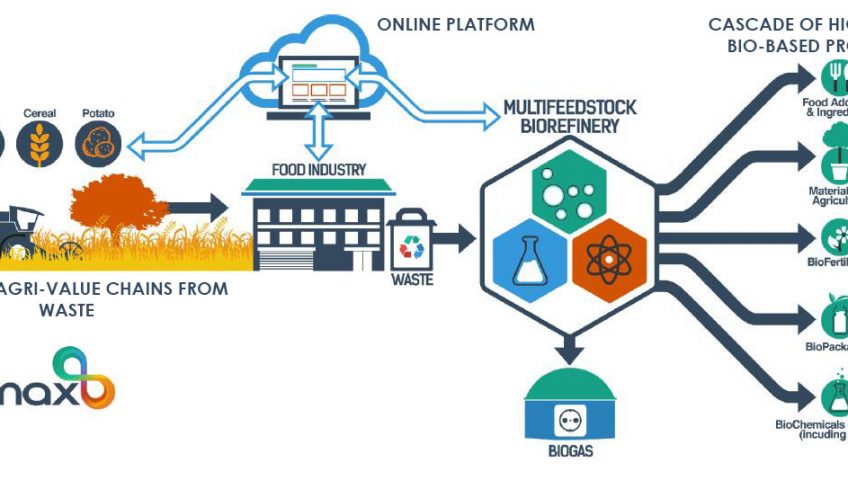
Agrimax will take the residues and the by-products from tomatoes and cereals in Italy and process them in a new, flexible, multi-feedstock pilot biorefinery which is being built by the project. Another new pilot plant in Spain will do the same for olive and potato waste.  The pilot plants are now in the final specification and pre-construction phase and are scheduled to be operational by the end of 2018. Their target is to convert 40% of the waste they receive into high-value material.  An online platform to coordinate the provision of this waste will help maximise the use of these pilot plants throughout the year.

The by-products and residues will be broken down, first using ultrasound and heat, and then using enzymes and chemical reactions. From this process, a cascade of high-value products will be extracted. For the food industry this will include: anti-oxidants to improve food properties;  and cellulose fibres to add texture to soups and juices. For the farming sector, products will include biodegradable mulching films and pots in addition to biofertilizers. For the packaging sectors new biobased solutions will be developed to improve the properties of the materials and extend the shelf life of the products. To validate these innovative biobased products they will be tested by end users. Any remaining biomass will be used for biogas or returned to the land for soil enrichment. Importantly, the project will also assess the environmental, social and economic sustainability of this approach. Life cycle analysis will be used to assess the total environmental impact of the new production pathways. The effect of the new farming practices and new fertilisers on soil health will also be assessed.

Last autumn, the project held a workshop which attracted over 70 stakeholders from across Europe. These stakeholders included farmers and food manufacturers from the olive, tomato, potato and cereal processors industries as well as potential end-users of Agrimax products. The insights from this workshop has provided essential information into the sustainable supply chains that Agrimax seeks to create, identifying critical stakeholder issues such as contextual constraints and drivers that must be addressed in the development of effective circular business models. These insights will be important in developing economically viable routes to commercialisation of the Agrimax processes.

Expected impacts

The first outcomes of project will start when the pilot plants are operational, and the bio-based products obtained are validated for their final applications. The project is expected to achieve several impacts:

  • Demonstrate new value chains for higher added value products, open new markets, connect organisations and sectors that have not previously worked together;
  • Improve the environmental performance and cost efficiency of the biorefinery process compared to the current state-of-the-art;
  • Demonstrate an integrated process with more than 40% of the raw material valorised into high added value products;
  • Validate new products with a 2-5 times higher value than the current applications of the raw material, leading to a significantly higher total valorisation of the agricultural crops so contributing to rural development and employment;
  • The final consumer products are expected to have a better overall sustainability score than their fossil-based counterparts and meet a clear market demand;
  • Reduce waste and our dependence on fossil-fuels, Agrimax will help to maximise the EU’s sustainability, while creating new growth and jobs.

For futher information, visit Agrimax Website, with publicly available resources (including a short animation to easily explain the aims of the project).

(Article written by: www.besustainablemagazine.com/cms2/agrimax-project-from-agricultural-and-food-processing-waste-to-bioproducts/)

10 Jul 2018

Developments in 2,3-butanediol production from biomass

Rehap have been developing 2,3-butanediol (BDO) production from two biomasses in the project, bark and poplar, and here are some of their most recent advances.

In previous research, VTT, the Technical Research Centre of Finland developed a technique for the hot water extraction of tannins from soft wood bark and successfully transferred it to the lab at BBEPP. At BBEPP, this technique to obtain cellulose and lignin/tannin fractions was performed and evaluated and successfully scaled-up to pilot scale.

In parallel to this development, partners, TECNALIA have been working on the saccharification – the process of breaking down a complex carbohydrate, in this case cellulose, using hydrolysis into its simplest sugars – of the cellulosic residue generated by the purification of lignin from the woody material, poplar.

Tests have selected the best enzymes and hydrolysis conditions that can increase the glucose yield and minimise the production of inhibitors that could affect the course of fermentation at the next step. The hydrolysate, this is the substance left over from hydrolysis, was best obtained using the purification method otherwise enzymes remain in their crude form and cannot be used.

Once the substance was obtained, BIOSYNCAUCHO, a company that aims to develop high-added value chemical products from renewable raw materials, tested and determined the best conditions for the fermentation of sugars to 2,3-butanediol (BDO), a renewable chemical building block. Promising results from poplar’s second generation sugars have revealed close comparisons to 2,3-BDO production using first generation sugars; sugars found in food crops using standard processing technologies.

In other developments, the fermentability of the sugars obtained from bark in BBEPP at pilot scale, have also been optimised by BIOSYNCAUCHO with excellent results in terms of 2,3-BDO production, yield and productivity. As found with the process used in poplar, the purification procedures are critical to avoid the presence of inhibitors.

These two results demonstrate that the use of second generation sugars from agroforestry waste in the Rehap project, obtained after the processing of bark and poplar, is a real alternative to using first generation sugars for the production of 2,3-BDO, successfully reaching one of the projects vital objectives.

Next stage

The chosen protocols for the enzymatic hydrolysis of cellulose residues from poplar and the fermentability conditions to produce 2,3-BDO are being transferred to BBEPP to scale up and validate all the processes. From here, if successfully, the required amount of 2,3-BDO can be used for further project developments.

03 Jul 2018

BIOCHEMTEX (CTXI) – optimising second generation technology

The aim of one of Rehap’s subtask is to optimise Biochemtex’s second generation (2G) technology to process lignocellulosic biomasses at pilot and demo scale in order to produce the lignin-rich residue and use it as starting material for the recovery of lignin and sugars for further project research.

The CTXI 2G technology is a breakthrough process able to produce fermentable sugars from lignocellulosic biomass which can be easily converted into bio-fuels and/or bio-chemicals.  The main process steps for the production of bioethanol for valorisation in this 2G process include:

  • Pre-treatment of biomass to disrupt the lignocellulosic matrix and solubilise specific sugars,
  • Hydrolysis (a reaction with water) to reduce the cellulose and hemicellulose into fermentable sugars,
  • Fermentation of sugars to ethanol,
  • The separation of solid and liquid to achieve the solid lignin, the remaining ethanol is recovered and dehydrated

During the Rehap project, CTXI evaluated the woody material, poplar, together with state-of-the-art wheat straw, in order to increase the flexibility of its conversion process to several types of lignocellulosic feedstock. None of which are in competition with food and feed.

The results confirmed that just like wheat straw, poplar presents good compositional characteristics, in terms of cellulose and hemicellulose, that allow this feedstock to be treated with 2G technology for the production of bioethanol.

Poplar was selected as a lignocellulosic material for the Rehap project improving the process of obtaining bioethanol from this material. The necessary amount of lignin co-product was produced for the subsequent R&D activities carried out by partners TECNALIA and BBEPP at lab and pilot scale, respectively.

The lignin-rich stream which will be used as feedstock for the processes in the Rehap project, is generated by the separation of solid content from the stillage recovered at the bottom of the beer stripper column in the 2G plant. This solid content is characterised by having around a 60 - 70% moisture content (MC).

In order to optimise the lignin 2G co-product for it to be used in different types of valorisations, as well as improve the power plant and water recycle processes at industrial demo scale,  CTXI carried out tests on separating the liquid and solids using polyelectrolytes and evaluating the drying process. This separation modifies lignin into a transportable solid.

The combination of separating large amounts of solids from liquids using polyelectrolytes as a separating agent as well as the drying technique, is a good solution to significantly reduce the moisture content (from 60-70% by 7-10%) to allow lignin co-product to be used successfully for combustion and/or chemical valorisation.

02 Jul 2018

Forwarder2020: Sustainable and Efficient Forest Management

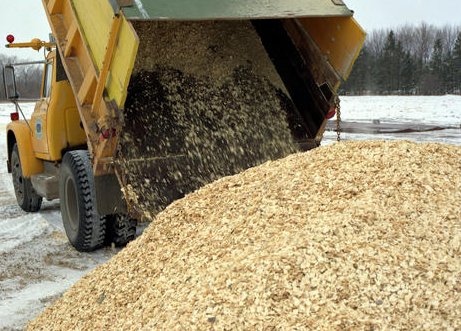
Forest biomass is currently one of the most important sources of renewable energy and accounts for almost half of the EU´s total renewable energy consumption; this is in addition to the very important use of round wood from forests. Besides raw materials, forests also provide a wide range of vital non-wood services that should be protected during wood extraction. In order to make forestry sustainable, it is essential to use commercial vehicles that will affect the forest ecosystem as little as possible. To achieve this forest machine manufacturer Hohenloher Spezial Maschinenbau GmbH & Co. KG (HSM) has launched the innovation project Forwarder2020: main aim of the project is improving the sustainability of wood production and delivery as well as operational forest management and planning. Within the project innovations for more efficient forwarders, essential wood extraction and transportation vehicles will be developed and tested under real conditions.

Over the course of 3 years (2016-2019) project coordinator HSM together with 13 European partners from industry and science in 6 countries will work on 5 innovative modules for forwarders. So they will gather their expertise to advance diverse technologies, which will contribute to smart and sustainable logging operations using innovative forestry machines.

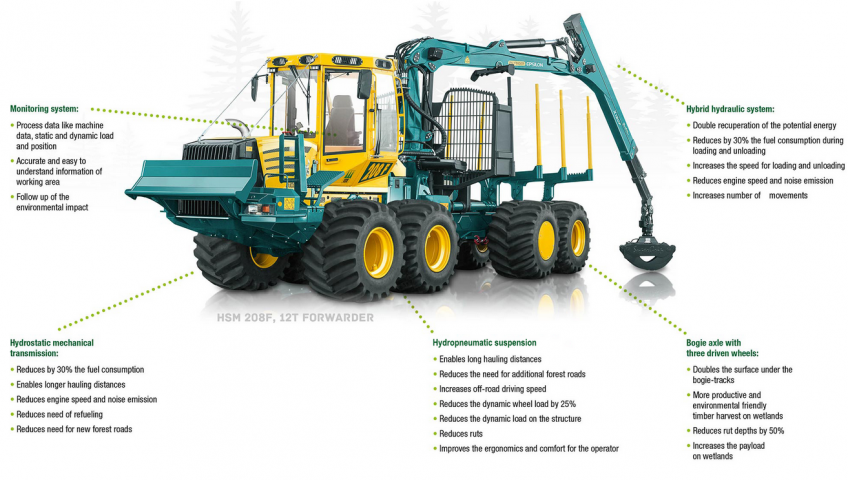
The innovations targeted (fig. 1) concern a more efficient power-split hydrostatic-mechanical transmission, a hydro-pneumatic suspension, a new hydraulic system for the crane with energy recuperation, a bogie axle with three driven wheels for the timber load and a new monitoring system for documentation and active operations control.

The importance of innovative forestry machines

The combined effect of these innovative modules will be to reduce the fuel consumption by 30% and the impact on the soil (reduction of rut depth and dynamic wheel load) by 30%. They also allow more precise planning of the tracks and documentation of the loads carried on. Altogether the innovations will contribute to reduce the environmental impact of forest management and harvesting operations while cutting operating costs and reducing the risks of occupational disease for forest operators. Finally, the company HSM and the consortium expect to supply to the market a unique and modular system of competitive high-end solutions which offers the customer the possibility to choose its equipment and then bear no higher costs for the modules not chosen.

“In the effort of rendering the forest operations more sustainable, forwarders are of particular interest because these forestry machines have the highest wheel-load and the biggest impact on unpaved forest soils. They also bridge big travelling distances between the felling points in the stand and the road side timber depots. The reduction of the fuel consumption, of the impact of the machine on the soil and on the health of the operators through the Forwarder2020 innovative modules will then be of prime importance not only for the sustainability of the logging but also on the economic potential of the forestry companies, our clients. “, states Mr. Felix Fürst zu Hohenlohe-Waldenburg, coordinator of Forwarder2020 project and CEO at HSM.

The Forwarder2020 prototype

The integration of 3 out of the 5 innovative modules into a completely running first prototype is achieved by now and field tests under harsh forest conditions were carried out from 28thMarch to 13th April 2018 under operation of Forstdienstleistungen Hegenbarth (FDH) and supervision of Bern University of Applied Sciences (BFH) in Saxony. The test site is located near Grillenburg, Saxony and is owned by “Staatsbetrieb Sachsenforst”. The forwarding was part of salvage harvesting operations on a wind thrown spruce dominated stand. The tests included preparative test runs, hardship tests, but were dominated by the scientific time study and reference cycle generation. The data evaluation of these field tests is still in progress. However it is evident that the tests had been very satisfying. The machine works very well and without any failures. The rut depths caused by the bogie tracks are even lower than expected. The data transmission to the monitoring system as well as the cloud connection worked well for different data resolution setups up to high resolution stress level tests.

The machine will be ready for the transport to the demonstration site in Scotland by the end of April. In Scotland further tests under forest conditions will continue in May 2018 and later on the machine will be tested additionally in Lithuania. The second prototype will be ready for first full field tests in autumn and will be tested under forest conditions in Romania.

(Article written by: Janina Kouvaris, Steinbeis-Europa-Zentrum (SEZ)Posted by: www.besustainablemagazine.com/cms2/forwarder2020-sustainable-and-efficient-forest-management)

25 Jun 2018

Bio-based insulation materials facts and myths

Bio-based insulation materials could replace conventional materials in many cases without loss of thermal performance.

  1. Bio-based insulation materials could replace conventional materials in many cases without loss of thermal performance. It’s a fact.
    The heat insulation performance of bio-based insulation materials can compete with mineral or fossil based materials, such as rock wool, glass wool and polystyrene. The technical performance of several renewable insulation materials, such as cellulose and fibres from hemp, flax, kenaf and cotton, is comparable to that of the mineral benchmarks.
    Important is also the ability of an insulation material to store heat and to release it to a cooler environment. This indicator is called specific heat capacity. Natural insulation materials can be superior to traditional fossil or mineral based materials when it comes to heat buffering, because the specific heat capacity of natural insulation materials is higher than that of fossil or mineral based ones. This can be helpful to create a more comfortable indoor climate and to prevent overheating of rooms that sit below the roof in the summer.
  2. Bio-based insulation materials contribute to a pleasant and healthy indoor climate. It’s a fact.
    Insulation measures have caused the relative air humidity in many houses to be high, which can lead to growth of moulds. This is where bio-based materials can help. Scientific research has shown that most natural insulation materials can accumulate and conduct moisture. This moisture-regulating effect contributes to a balanced indoor climate throughout the year. This is especially important for people with respiratory diseases, asthma, atopic dermatitis, for which constant indoor humidity is very important.
    Sheep wool has an especially positive effect as it can absorb and neutralise a large variety of volatile organic compounds (VOCs) which can contribute to a sick building syndrome. It acts as a passive air purifier.
  3. Bio-Based insulating materials cause mould problems. It’s a myth.
    Mould occurs in buildings whenever humidity cannot escape or humid air meets a cold surface. The type of surface plays only a minor role. If properly installed, bio-based insulating materials do not pose a higher risk of mould formation than traditional insulation materials.
    In fact, bio-based insulation materials have a good moisture-regulating effect. They can accumulate moisture up to one third of their weight and then release it again, which ensures a pleasant and healthy indoor climate.
  4. Bio-based insulation materials are not really sustainable. It’s a myth.
    Natural insulating materials are ecologically high-quality products. Bio-based insulation contributes to energy saving and climate protection in three ways:
    Firstly, renewable resources have the advantage of requiring much less energy than conventional building materials such as mineral wool and fossil-based materials to be produced. They typically have much lower “embodied energy” levels.
    Secondly, natural insulation materials bind CO2 during the growth phase. Many natural insulating materials come from regional agriculture and forestry or can be obtained here in the future when demand increases. This means short transport distances, less import dependency and opportunities for rural areas. For many materials there is no conflict of use for other purposes.
    Thirdly, using natural insulation reduces CO2 emissions through thermal insulation during the lifetime of buildings.
    The picture is differentiated when it comes to disposing of bio-based insulation materials. Some materials can be reused (cellulose flakes, seagrass), some can be recycled (hemp mats, sheep wool). In theory, a lot of these materials could be composted, but composting facilities are reluctant to accept them. Therefore, in most case bio-based insulation materials will be incinerated.
  5. Bio-based materials are not durable. It’s a myth.
    Research shows that natural insulating materials are as durable as conventional materials. The Münster Chamber of Crafts can prove this in a long-term test based on the natural insulating materials installed in the “Construction and Energy” demonstration centre since 2004. Insulation materials made of flax, hemp, cellulose, wood shavings and wood fibre insulation boards were installed in the Münster demonstration centre and equipped with sensors. The thermal conductivity of the materials remained almost constantly low over the entire monitoring period and the insulation materials used provide for a very good, lasting heat protection. Moisture measurements also showed that no condensation accumulated in any wall or ceiling construction.
  6. Bio-based insulation materials increase the risk of fire. It’s a myth.
    Bio-based insulation materials do not pose an increased risk of fire if properly installed and used in accordance with fire protection regulation. Fire protection requirements can be met for a large number of construction projects through the application of certain fire retardants or cladding.
    In case of fire, bio-based insulation avoids extremely toxic fumes which cause much greater damage and mortal danger to those affected than the actual fire.
  7. Bio-based insulation materials have good sound insulation properties that are comparable to those of standard materials. It’s a fact.
    Bio-based insulation materials effectively protect against noise from inside and outside your house. Their sound insulation properties are comparable to those of standard materials and they have been used successfully for this application. In particular, flax, hemp, cork, reeds, straw and cellulose as well as wood fibre insulation panels provide excellent sound insulation.

(Article written by: www.allthings.bio/fact-or-myth/bio-based-insulation-materials-facts-myths/)


19 Jun 2018

Developments in resin testing

Rehap recently published results on the development of extracting tannin from softwood bark and the upscaling at Bio Base Europe Pilot Plant (BBEPP). Continued studies reveal further innovations.

The project, working closely with the team at BBEPP, have recently performed and evaluated tests on the hot water extraction of tannin from softwood bark and found that the best technique for doing so was using decantation (separating mixtures by removing a liquid layer free from precipitate) combined with centrifugation (separating the mixture through spinning).
This technique was successfully scaled-up at BBEPP to make 150Kg of tannin solution which was sent to partners Foresa for further modification.

Foresa, a producer of formaldehyde and resins, is currently carrying out laboratory tests with tannin samples sent by VTT, Technical Research Centre of Finland Ltd, in order to eventually develop, validate and up-scale products suitable for application in the targeted final bioproducts.

Foresa have been creating boards, also known as wooden panels for later use in the green construction industry, from the resin (a substance of plant origin) from tannin. These wooden panels are manufactured to be free of phenol, a very toxic adhesive in binding wood, and replaced with tannin resins. All resins need additives or catalysts to start the reaction, however these products are quality controlled to ensure their concentration in the wood is very low.

Once the resin has been tested to ensure it has no bad properties in it, Foresa will clarify the process, for example, the amount of glue, catalyst and additives as well as the time and temperature of press.

Once all the processes have been defined, Foresa will manufacture thousands of wooden panels before they are validated to be applied for construction of industrialised composite for green buildings.


18 Jun 2018

Press Release: The EU’s renewable energy ambitions: Bioenergy from forests is not always carbon neutral – and may even increase the EU’s carbon emissions

Replacing coal with forest biomass in power stations is not a simple fix – forest biomass with long carbon payback periods could increase atmospheric CO2 levels, putting Paris Agreement targets at risk. 

Since the launching of the EU’s clean energy package in November 2016, the European institutions and many Member States have emphasised their renewable energy ambitions, which culminated in political agreement on the recast of the renewable energy directive on 14 June 2018.  During the past year, EASAC has worked to draw the attention of policy makers to a glaring oversight in this ambition: the EU and its Member States continue to classify all biomass from forests as carbon neutral, renewable energy. It is simplistic and misleading to classify all types of biomass from forests as sources of carbon neutral renewable energy as explained in the European Academies’ Science Advisory Council (EASAC) report published in April 2017.

Today, EASAC is releasing a commentary to re-emphasise its original points and to strongly encourage policy-makers to reconsider their approach to the use of forest biomass for energy.  Whilst it may be too late to change the text of the directive itself, policy makers in the Member States could and should implement it in ways which reflect these scientific realities, and which will contribute positively to their commitments to the Paris Agreement.

It is often claimed that the carbon released by burning wood and other forest biomass is removed from the atmosphere when the vegetation grows back. This may be true in the long term, but policy-makers may not realise how much time is needed for this to happen. At the very least, it takes many decades, and in some cases, it will take hundreds of years for the carbon to be absorbed by new vegetation. In the meantime, the released carbon will contribute to climate change just as much as burning coal or oil.

The carbon neutrality argument – that the carbon dioxide emitted when biomass is burnt is fully compensated for by uptake of carbon dioxide from the atmosphere due to plant growth – has given a strong boost to policies that aim to increase the use of forests as a source of bioenergy and as a substitute for fossil energy. Forest biomass is classified as renewable, and currently contributes substantially to the EU’s renewable energy targets. However, in reality, carbon emissions per unit of electricity generated from forest biomass are higher than from coal. In addition, when one harvests trees that have a large, ongoing carbon storage potential, then the emissions from burning the biomass are associated with the loss of a carbon sink, and the net effect on the climate is likely to be negative.

The oversimplified concept of carbon neutrality leads many to think that use of biomass is automatically ‘renewable’ and can be counted towards GHG emission reduction targets on an equal level with wind and solar.  Achieving carbon neutrality involves potentially long time periods and, in the context of the timescales relevant to Paris Agreement commitments, climate impacts range from positive to negative depending on the nature of the forest biomass used and post-harvest land use. Climate impacts from using forest biomass for energy must therefore be considered on a case-by-case basis together with the sustainability of forestry in EU climate and energy policy.

“There are significant dangers of shooting ourselves in the climate foot if we do not differentiate effectively between climate positive and climate negative uses of forest biomass”, said Professor Michael Norton, EASAC’s Environment Programme Director.

“As our recent report on negative emissions has shown, we are already in danger of not meeting the Paris Agreement targets. If the EU and Member States continue to count all forest biomass as renewable energy, and not validate their climate impacts on a case-by-case basis, we may even be increasing the EU’s carbon emissions through our ‘renewable’ energy policies”, he added.

“Renewable energy policies in the European Union are increasingly ambitious, which is a positive trend. But policy-makers must ensure that renewable energy is truly renewable within the relevant policy timeframe. Bioenergy from forest biomass with long carbon payback periods is not renewable in the context of the EU’s Paris commitments,” noted Dr. William Gillett, EASAC’s Energy Programme Director.

ENDS

Notes for editors:

In April 2017, the European Academies Science Advisory Council (EASAC) published its major review of Multi-functionality and Sustainability in EU forests, which examined the policy implications of the increasing demands and expectations being placed on the limited forest resource in the EU. While the report covered a number of issues (including biodiversity and forest management strategies), the last year has seen most attention given to the question of how far forest biomass should be regarded as a source of ‘renewable’ energy and allowed to contribute to Member States’ emission reduction targets (and treated equally with solar, wind etc.).

The EASAC report showed that while some types of forest biomass (typically forest industry wastes and thinnings) could contribute to climate change mitigation, many options (especially those involving increased harvesting of mature trees) could have a significantly negative effect on climate change over extended periods, and therefore perverse outcomes from renewable energy policies which incentivise expanded use of forest biomass.

In the new commentary, EASAC points out that in the year which followed our report, EASAC experts have engaged with the Commission, the Parliament and other stakeholders on the science underlying the use of forest biomass within the debate and negotiations on the ‘Clean energy for all Europeans’ package. In these discussions, the concept of ‘carbon neutrality’ was frequently invoked to justify the increased use of all kinds of biomass, including forest biomass, without recognising the inherent weaknesses of the concept.

In view of the political agreement on the recast of the renewable energy directive, which was reached on 14 June, EASAC has decided to issue this short commentary re-emphasising the potential perverse effects of the over-simplified use of the carbon neutrality concept. It is hoped that this commentary will inform policy makers in the Member States and encourage them to implement the recast renewable energy directive in ways which fully reflect the scientific facts.  In particular, national regulations should ensure that incentives are limited to forest biomass with short carbon payback times, such as wastes and thinnings which can be shown to deliver positive contributions to climate change mitigation in the short periods relevant to achieving the Paris Agreement targets.

(Source: https://easac.eu/publications/details/multi-functionality-and-sustainability-in-the-european-unions-forests/)

15 Jun 2018

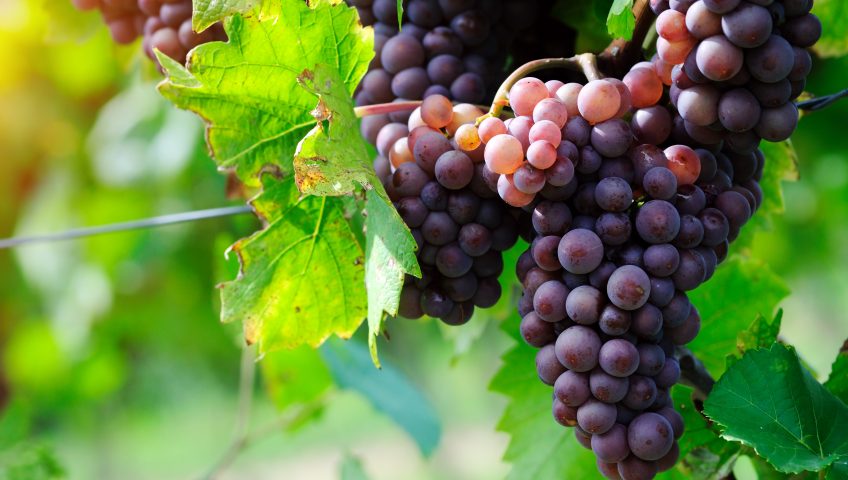
Turning grape skin into greener plastic? It’s possible

Apart from winemaking, grape skins are now used in manufacturing plastics, another eco-friendly approach to the go green movement in the industry.

Grapes are a good source of vitamins and minerals. They can be eaten in a lot of ways, but recently, experts have found another use for grapes: ingredients for greener plastics.

As the main ingredient in winemaking, grapes are in demand in different parts of the world. However, in the process, the seeds, skin and stems are discarded. But a research claims that the discarded skins can now be turned into greener plastics.

The fruit contains polyphenols, a type of antioxidant that can also perform as an anti-inflammatory and anti-carcinogenic substance, can also prevent chemical reactions. Inside the human body, they can make plastics. The characteristics of grape skin depend on variety, terroir, vintage and geographic origin. The winemaking process could also be a major factor.

Converting fruit wastes into something useful is not new. According to Greener Package, a company called Veuve Clicquot has been using potato starch and grape skins in its champagne packaging. The company also utilized other materials such as sugarcane, corn, mushroom roots, limestone, potato starch, recycled jute sacks, and even sheep’s wool.

Aside from making greener plastics, grape skins are also great in making papers. Favini, the maker of agro-industrial waste-based paper, is optimistic with grape skin. Grape residuals have a high content of cellulose and lignin, which helps in the linking of cellulose fibers in the papermaking process, as noted in the article from Greener Package.

As people are becoming more aware of the need to conserve resources and preserve the environment, consumers are clamoring for other ways to use plastics. Edible food packaging is seen as one of the possible solutions for this problem. Experts are trying to improve the texture, taste and feel in order to gain the support and trust of the public.

David Edwards, a bioengineer, and professor from Harvard, believes the key could be grape skins. “We can basically surround any food or beverage with a skin like a grape skin that’s fully edible, and then consume it,” he said, per Index.

Grape skins have been known to bring health benefits. When combined with green tea, the benefits are multiplied. Aside from food, grape skins can also be converted as an ingredient to fertilizers, meat preservers, and alternative fuels. As what The Academic Wino reported, a study revealed that grape skins can also fight influenza and other viral diseases.

The dangers of using plastic are well documented, particularly how it aggravates the environmental problems. Aside from the fact that plastics take about 20 to 1,000 years before decomposing, the single use of plastics takes up significant resources such as crude oil, gas, and coal, per Onya. Imagine this nine pieces of plastic bags can be produced by enough petroleum to power a vehicle to a distance of one kilometer.

The marine life is also at higher risk because of discarded plastics. Birds and sea creatures often mistake floating plastics as food.

In a way, reducing the use of plastics is a great way to help worsen environmental problems. On the other hand, converting organic waste or discards such as grape skin into greener plastics or papers can also make significant changes towards a better future.

(Article written by: https://born2invest.com/articles/grape-skins-plastics-possible/)

11 Jun 2018

Rehap present two posters at renowned EUBCE

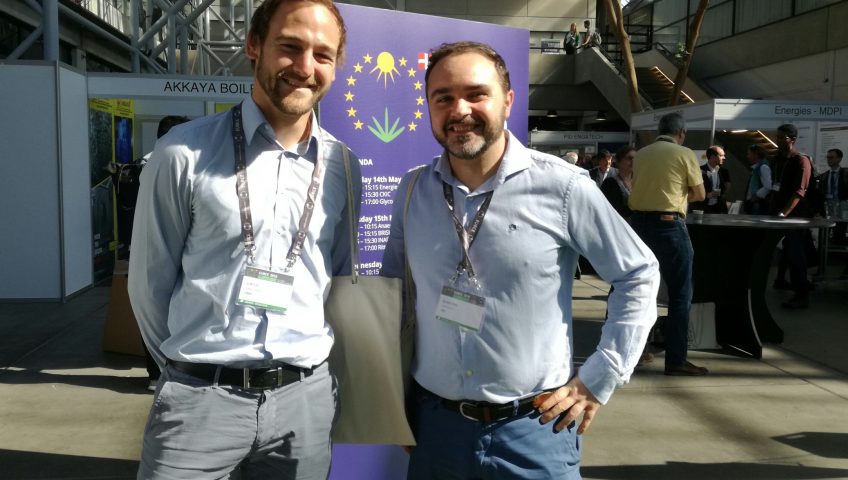
The 26th European Biomass Conference & Exhibition in Copenhagen featured some ambitious and interesting topics on the role of biomass for climate protection and sustainable development. Lars Wietschel and Raúl Piñero represented Rehap with two posters at the event and noted that the processing of biomass into biofuels for trucks and planes was one of the hot topics of the week.

Every year, thousands of delegates, speakers and presenters from around the world attend the prestigious European Biomass Conference & Exhibition (EUBCE) to discuss, collect, exchange and disseminate scientific and industrial know-how in the field of biomass.

On 14-17 May 2018, EUBCE saw participants from sectors including biofuels, biomass feedstock, waste management, bio-plastics and biopower attend. Lars Wietschel and Raúl Piñero presented two separate posters on the ground-breaking developments happening in Rehap: “Future availability of lignocellulose feedstock from agricultural harvesting residues”, and “A novel and quick method for characterising lignocellulosic materials in biorefinery processes: Thermogravimetric analysis and predictive kinetic model (TGA-PKM) method”.

Piñero’s poster was on defining standard methods and analysis procedures for evaluating the quality of the biomass used as feedstock using faster methods than already available.

Wietshel’s poster on the availability of agroforestry feedstock looked at the methodology tool Rehap has developed to forecast on a regional basis the future availability of lignocellulose feedstock from agricultural residues in Europe. Lignocellulose is a biomass component that can act as a substitute for petrochemicals.

Wietsche,l after his short oral presentation on the poster, struck up conversation with Berien Elbersen who was working on the S2BIOM project with a similar assessment on feedstock potentials. Though using different methodologies, the results were similar.

The conference and exhibition were heavily focused on technical products in the field of biomass valorisation and provided delegates with an eye-opening view into the trends and technologies that are currently being hyped. One in particular, hypothermal liquefaction, is the process of converting wet biomass into crude-like oil. With enough pressure and heat, biomass can be processed into fuel and used for truck and jet fuel.

As always, EUBCE was alive with speakers, developers, professors and some of the biggest names in the biomass industry, providing Rehap with an unmissable opportunity to both share its ground-breaking work and take away an abundance of new information.

For more information on Rehap’s attendance at EUBCE, please contact Lars Wietschel: lars.wietschel@wiwi.uni-augsburg.de

MENU